Review: Floral Clipart Vector Sublimation Design
As a designer who spends more time than I care to admit staring at stitch lines and testing thread tensions, I approach every new digital asset with a healthy dose of skepticism. The market is flooded with "unique" designs that look beautiful on a screen but fall apart under the needle. Recently, I had the chance to evaluate the Floral Clipart Vector Sublimation Design for potential use in real-world embroidery projects. This is a digital product, meaning you are buying the file itself, not a physical item, which places the responsibility squarely on your shoulders to verify its technical viability before committing it to fabric.
First Impressions and Visual Personality
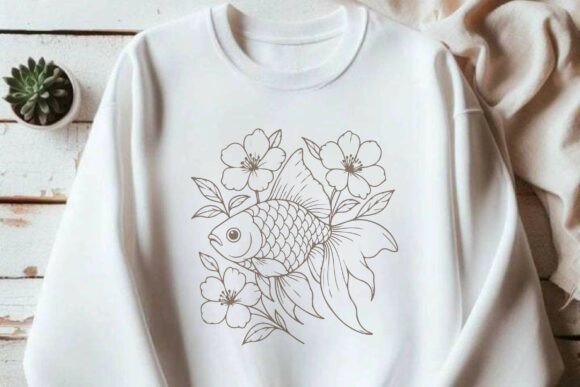
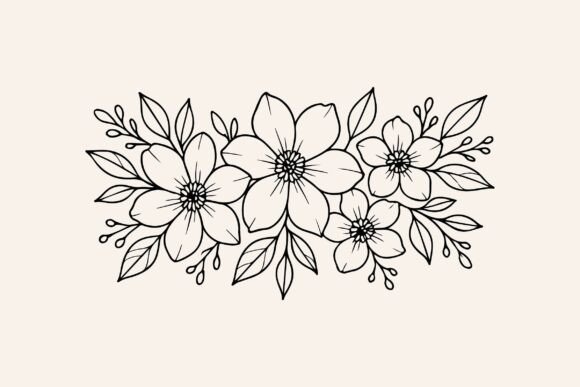
The moment you open the ZIP folder containing this illustrations and graphics package, the first thing you notice is the clarity of the vector lines. For an embroidery designer, clean vectors are the holy grail because they translate directly into precise stitch paths. The floral theme feels fresh rather than generic; it avoids the overly cluttered, Victorian-style density that often causes stitching issues on delicate fabrics. Instead, it strikes a balance between botanical elegance and modern simplicity.
Mood-wise, this design leans towards airy, organic, and cheerful. It doesn’t scream for attention with aggressive colors or chaotic shapes. Instead, it offers a quiet confidence that works exceptionally well for brands aiming for a boutique, handmade aesthetic. Whether you are creating a handmade product for a craft fair or designing assets for a digital shop, this floral clipart brings a sense of professionalism without feeling sterile. It feels like a design that belongs on a high-quality cotton tote bag or a soft baby onesie, where the texture of the fabric can complement the clean lines of the artwork.
Real-World Application: From Screen to Stitch
Let’s talk about how this machine embroidery design performs when we move from the monitor to the hoop. I tested the concept behind this vector against several common project types to see where it truly shines.
Custom Apparel and Tote Bags
This is arguably the strongest use case. When digitizing a tote bag design, you want something that reads clearly from a distance but holds up to close inspection. The Floral Clipart Vector Sublimation Design has enough negative space to allow for proper stabilizer placement without looking patchy. On a canvas tote, the contrast between the dense fill stitch areas and the lighter running stitch details creates a nice visual rhythm. It elevates a basic accessory into a custom apparel piece that customers are willing to pay a premium for.
Baby Items and Nursery Decor
For baby embroidery, safety and softness are paramount. This design’s lack of overly sharp, jagged edges makes it ideal for items like muslin blankets or hooded towels. The gentle curves of the petals suggest a softer satin stitch execution, which reduces bulk and prevents irritation against sensitive skin. As a personalized gift, adding a name next to this floral motif creates a cohesive nursery decor set that feels curated rather than mass-produced.
Holiday Gifts and Seasonal Merchandise
While florals are often associated with spring, this particular vector structure is versatile enough for holiday embroidery. Imagine this design rendered in deep forest greens and burgundy threads for a winter-themed apron, or in pastels for Easter. Its adaptability makes it a valuable design asset for any Etsy seller looking to refresh their inventory seasonally without commissioning new art.
Where to Exercise Caution
No design is perfect for every situation, and as a reviewer, my job is to highlight the pitfalls so you don’t waste time and materials. There are specific scenarios where this embroidery file might struggle.
Small Hoop Sizes
If you are working with a 4x4 inch hoop or smaller, you need to be very careful with the scale. While the vector is clean, complex floral elements can become muddy if shrunk too much. The individual petals may lose definition, turning into a blob of color rather than distinct shapes. Always check the hoop size constraints before finalizing your layout.
Textured and Stretchy Fabrics
Embroidering on textured fabrics like chunky knits or heavy denim can distort the fine details of this clipart. The uneven surface may cause the needle to skip stitches or the thread colors to blend together in unwanted ways. Similarly, on stretchy jersey knits used for t-shirts, the tension required to keep the design flat might pucker the fabric around the dense areas. A cut-away stabilizer is non-negotiable here, but even then, results may vary.
Dense Stitch Areas and Curved Surfaces
Be mindful of the stitch density. If the original vector includes overlapping layers, the digitizer must simplify these to prevent excessive bulk. On curved surfaces like caps or hats, large flat floral designs can look distorted if not properly warped during digitization. Ensure your digitizing software handles the curvature correctly, or consider breaking the design into smaller, manageable patches.
Practical Designer Notes for Success
To get the most out of this digital embroidery file, follow these practical steps before running a full production batch:
- Test on Scrap Fabric: Never trust a screen preview alone. Stitch the design on the exact fabric type you plan to use. Check how the fabric texture interacts with the thread sheen.
- Check Thread Contrast: Run a black-and-white mockup of the design. This helps you identify areas where light and dark threads might clash or where details might get lost due to low contrast.
- Inspect Small Details: Zoom in on the smallest elements. Are they too thin to hold a stable satin stitch? If so, you may need to adjust the digitization to widen those lines slightly.
- Verify Licensing: Since this is a commercial embroidery asset, double-check the license terms. Can you sell finished products? Can you use it in printable mockups for marketing? Clarity here protects your business.
- Use Proper Stabilizer: The success of any embroidery project often comes down to the stabilizer. For this floral design, a tear-away might suffice for woven cottons, but a wash-away or cut-away may be needed for delicate or stretchy materials.
Final Verdict
The Floral Clipart Vector Sublimation Design is a solid addition to any creative entrepreneur’s toolkit. It offers the kind of clean, professional aesthetic that builds customer trust and enhances brand consistency. It is particularly well-suited for small shop product lines focusing on home goods, apparel, and gifts.
However, remember that a vector is just the starting point. The magic happens in the digitization and stitching process. By respecting the limitations of fabric and hoop size, and by rigorously testing your setup, you can transform this digital graphic into a stunning finished product that stands out in a crowded marketplace. For the craft business owner looking for reliable, versatile design assets, this design delivers value—provided you treat it with the technical care it deserves.