Praying Hands Clipart Vector Design Review
As a designer who spends half my life in the embroidery hoop and the other half trying to figure out why a client’s custom order didn’t quite match their vision, I approach every new digital asset with a healthy dose of skepticism. The market is flooded with "unique" designs that turn into pixelated messes once they hit the needle bar. That is why I took Praying Hands Clipart Vector Design for a real-world test run. This isn't just about looking pretty on a screen; it is about whether this piece holds up under tension, thread tension, and the rigorous demands of a small business owner who needs reliable assets for their craft.
The product description states this is a high-quality unique design delivered as a digital ZIP folder. It is ready to print, which suggests versatility beyond just machine embroidery. But does it translate well from vector to fabric? Let’s break down the practical application of this design for your next project.
First Impressions: Mood and Visual Personality
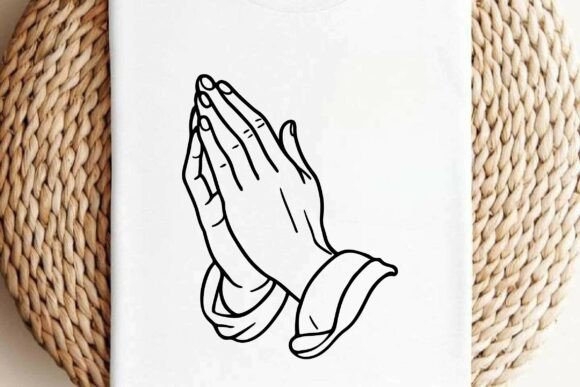
When you first open the file, the immediate takeaway is the serene, reverent mood the illustration conveys. The praying hands motif is timeless, but execution varies wildly. Some versions feel stiff or overly cartoonish, while others lack the emotional weight required for meaningful gifts. Praying Hands Clipart Vector Design strikes a balance that feels grounded and respectful without being overly dramatic. The lines are clean, and the negative space is handled in a way that suggests depth without requiring complex shading techniques that might get lost in stitching.
For an illustrator or graphic designer, the vector nature of this asset means it is scalable. You can zoom in to inspect the curvature of the fingers or zoom out to see how it fits on a large banner. For the embroiderer, this clarity is crucial. It tells you exactly where the eye should rest. The visual personality here is one of quiet strength and comfort. It doesn’t shout; it whispers. This makes it an excellent candidate for products where subtlety is preferred over bold statements.
Real-Life Application: From Screen to Stitch
I tested this concept across several common small business scenarios to see where it truly shines. The goal was to determine if Praying Hands Clipart Vector Design could serve as a versatile core asset for a handmade shop.
Custom Apparel and Tote Bags
Imagine preparing a custom embroidered tote bag for a church group event or a boutique retail item. Placing this design centrally on a canvas tote creates an instant focal point. Because the shape is relatively contained, it works beautifully within standard hoop sizes. On a sweatshirt or t-shirt, the design offers a nice contrast against typical cotton blends. It reads clearly even from a distance, which is vital for brand recognition at craft fairs or pop-up shops.
Baby Items and Nursery Decor
This is perhaps the strongest use case. The soft, protective imagery of praying hands translates perfectly to baby clothes, blankets, and nursery decor. Parents are often looking for items that convey safety, faith, and love. When stitched onto a onesie or a burp cloth, the clean lines of the vector ensure that the detail remains sharp even on smaller scales. It adds a touch of elegance to what is usually a utilitarian garment. As a personalized gift, it carries significant emotional weight, making it a high-value item for Etsy sellers targeting new parents or godparents.
Holiday Gifts and Kitchen Textiles
During the holiday season, prayer-themed items see a surge in demand. Whether it’s for Thanksgiving, Christmas, or Easter, this design fits naturally into those narratives. I also considered its potential on kitchen towels or aprons. While less common, a subtle embroidery of praying hands on a tea towel can add a charming, rustic touch to a farmhouse-style home decor collection. It elevates a simple household item into a keepsake.
Technical Considerations and Stitching Challenges
While the vector art looks great digitally, the devil is in the details when it comes to actual production. Here is what you need to watch out for when using Praying Hands Clipart Vector Design in your workflow.
- Small Hoop Sizes: If you plan to shrink this design down for tiny applications like hair bows or small patches, you must check the minimum stitch count. Very small satin stitches can merge together, losing definition. Always test on scrap fabric before committing to expensive materials.
- Fabric Texture and Stability: This design relies on clean lines. If you stitch it on a highly textured fabric like heavy denim or a loose-weave linen without proper stabilizer support, the fabric distortion may warp the hands’ shape. For stretchy fabrics like jersey knits used in t-shirts, a cut-away stabilizer is non-negotiable to prevent puckering.
- Thread Color Contrast: The success of any embroidery design hinges on thread choice. On dark fabric, you will need bright, opaque threads to make the white or light areas pop. Conversely, on light fabric, darker threads provide necessary definition. Avoid low-contrast combinations (like black thread on navy) unless you are aiming for a very subtle, tonal look.
- Dense Stitch Areas: Check the density of the fill stitches. If the hands are rendered with too much fill, the resulting patch may become stiff and uncomfortable, especially on clothing worn directly against the skin. A mix of satin stitches for outlines and lighter fill stitches for shading often yields the best drape and comfort.
Impact on Product Value and Brand Trust
In the world of handmade goods, presentation is everything. Using a high-quality vector like Praying Hands Clipart Vector Design signals professionalism. It shows customers that you care about the integrity of your work. When a buyer sees a crisp, well-executed embroidery on a finished product, it builds trust. It suggests that the same level of care went into the entire creation process.
Furthermore, because this is a digital asset, you have the flexibility to create printable mockups for your online store. You can visualize how the design looks on different colored garments or accessories before you even buy the thread. This helps in marketing efforts, allowing you to showcase the versatility of the product. For commercial embroidery projects, having a design that appeals to a broad audience—from religious groups to general gift buyers—maximizes your return on investment.
Practical Designer Notes for Success
Before you upload this to your embroidery machine, follow these steps to ensure a smooth production process:
- Test First: Never skip the scrap fabric test. It saves time, thread, and frustration.
- Review Stitch Density: Ensure the design isn’t too dense for the intended fabric weight.
- Check Licensing: Since this is a digital product, verify the license terms carefully. Confirm whether you can sell finished physical items or if there are restrictions on digital resale. This is critical for Etsy sellers and small shop owners.
- Inspect Details: Look closely at the corners and fine lines in your digitizing software. Adjust any elements that look too thin to be stitched reliably.
- Compare Backgrounds: Test the design on both light and dark backgrounds to ensure visibility and aesthetic appeal across your product range.
Ultimately, Praying Hands Clipart Vector Design is a solid addition to any designer’s library. It offers a blend of emotional resonance and technical simplicity that makes it suitable for a wide array of projects. Whether you are creating a heartfelt personalized gift or a staple item for your boutique inventory, this design provides a reliable foundation for beautiful, professional results. Just remember to respect the mechanics of embroidery, and it will reward you with finished products that customers will cherish.