Raccoon Drinking Coffee Coquette Bow Review
As a designer who spends more time than I care to admit staring at stitch charts and testing thread tension, I have developed a fairly strict internal filter for new machine embroidery design files. The market is saturated with clip art that looks fine on a screen but falls apart under the needle. That is why I approach every new download with a mix of skepticism and curiosity. When I first pulled down the file labeled Raccoon Drinking Coffee Coquette Bow, my initial reaction was one of cautious optimism. It sits squarely in the intersection of trendy aesthetics and practical application, but does it hold up when we move from digital preview to physical fabric?
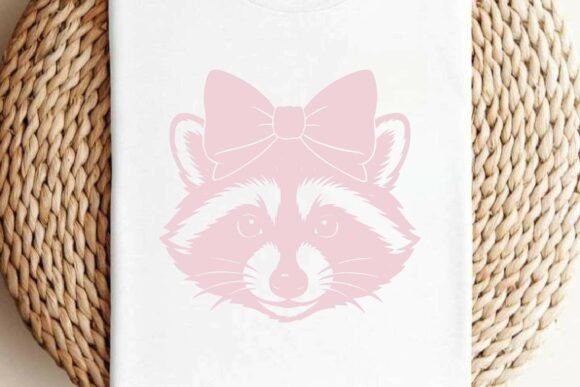
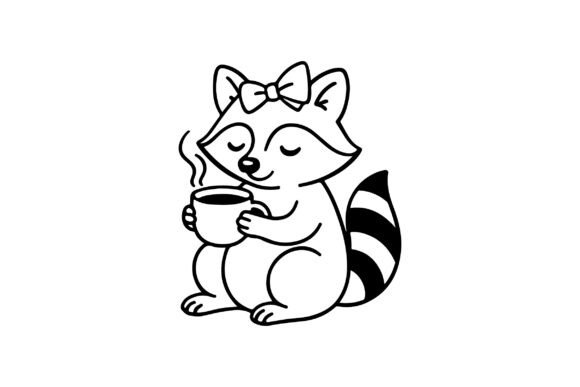
The core concept here is straightforward yet highly effective: a raccoon enjoying a cup of coffee, accented with the popular "coquette" bow motif. For those unfamiliar with the current design landscape, this aesthetic blends whimsical animal illustrations with delicate, feminine decorative elements. Visually, it creates a mood that is cozy, playful, and slightly nostalgic. It feels less like a generic stock image and more like a character-driven illustration that invites interaction. The layout is balanced, which is critical for embroidery project success, as it allows the eye to travel naturally from the character’s face to the details of the bow without feeling cluttered.
First Impressions and Visual Personality
What strikes me immediately about this Illustrations category entry is its clarity. In the world of Graphics meant for stitching, complexity can be a double-edged sword. Too much detail often results in a muddy mess of thread, especially if the stitch density isn’t perfectly calibrated. However, the Raccoon Drinking Coffee Coquette Bow design seems to rely on clean lines and distinct shapes. This suggests that the underlying vector work or digitization is likely robust.
The personality of the design leans heavily into the "cute" factor without tipping into childish territory. This is a crucial distinction for anyone looking to create products for adults or teens. The raccoon appears relaxed, almost anthropomorphic in its enjoyment of the beverage, while the coquette bow adds a layer of stylized elegance. This combination makes it versatile. It doesn’t scream "baby shower" exclusively, nor does it feel too mature for a teen’s bedroom decor. It lives comfortably in that sweet spot of modern handmade appeal.
Real-World Application: From Screen to Stitch
To truly evaluate this design, I had to imagine it in context. Let’s say you are an Etsy seller preparing a batch of custom tote bags for a fall pop-up market. You need something that stands out on a rack but also resonates with the current cultural moment. The Raccoon Drinking Coffee Coquette Bow fits this bill perfectly. The coffee element taps into the ubiquitous love for caffeine culture, while the raccoon adds a touch of urban charm.
I envision this design performing exceptionally well on structured fabrics. A heavy canvas tote bag would provide the necessary stability for the stitches, allowing the satin stitch outlines to pop against the texture of the fabric. Alternatively, consider a soft, washed-cotton sweatshirt. The contrast between the plush fabric and the precise embroidery would elevate the perceived value of the garment. It transforms a basic piece of custom apparel into a statement piece.
Another strong candidate for this design is a kitchen towel or tea towel. The theme of coffee and cozy vibes aligns naturally with kitchen aesthetics. If executed with high-quality threads, this could become a best-selling item in a small shop focused on home goods. The raccoon motif is relatable and shareable, which is a hidden asset for social media marketing. Customers love to photograph their purchases, and a quirky raccoon holding a mug is inherently photogenic.
Where Caution Is Required
However, no design is universally perfect, and there are specific scenarios where this file might present challenges. As a reviewer, I must highlight the importance of hoop size and fabric choice. If you attempt to stitch this design on a very small area, such as the cuff of a sock or a tiny patch, the details may become lost. The raccoon’s facial features and the intricate loops of the coquette bow require sufficient space to breathe. Attempting to compress this into a small hoop size risks turning the bow into a solid blob of thread rather than a defined shape.
Fabric texture is another critical variable. While this design works beautifully on smooth cottons and poly-blends, textured fabrics like bouclé wool or thick chenille can obscure the finer details. The uneven surface of these materials can cause the needle to deflect, leading to misaligned stitches. Similarly, stretchy knits require careful stabilization. Without a proper cut-away stabilizer, the tension of the fill stitch areas could pucker the fabric, ruining the clean look of the raccoon’s outline.
Dark fabrics also warrant consideration. If your base material is black or navy, you will need to ensure that the thread colors chosen offer high contrast. A dark gray raccoon on a black background will disappear. Conversely, using white or light pastel threads for the coquette bow against a dark backdrop can create a striking, elegant effect. Testing thread color contrast before committing to a full production run is non-negotiable.
Technical Considerations for Designers
For those of us who treat embroidery as a professional craft, several technical factors dictate whether a design is worth adding to our library. First, always inspect the small details. Zoom in on the digital preview. Are the eyes of the raccoon clear? Is the steam from the coffee distinguishable? These minor elements contribute significantly to the overall visual appeal. If they are blurry or merged, the final product will lack professionalism.
Stitch density is equally important. High-density designs use more thread and take longer to stitch, which increases production costs. Low-density designs may not cover the fabric adequately, leading to a see-through appearance. The Raccoon Drinking Coffee Coquette Bow should ideally strike a balance, using running stitch for fine details and efficient fill stitch patterns for larger areas. If the file contains excessive underlay stitches, it might distort the fabric, particularly on lightweight materials.
Before incorporating this into your commercial embroidery workflow, verify the licensing terms. Even though this is a digital embroidery file, the rights to sell finished items vary by creator. Some licenses allow unlimited commercial use, while others restrict the number of units sold or prohibit resale altogether. As a responsible business owner, protecting yourself from legal issues is paramount. Additionally, confirm whether the package includes all necessary files for your specific machine format.
Final Verdict on Product Value
Ultimately, the Raccoon Drinking Coffee Coquette Bow design offers strong potential for creators looking to add a trendy, character-driven element to their inventory. It bridges the gap between hobbyist fun and boutique quality. Its success, however, hinges on execution. The right fabric, proper stabilization, and careful thread selection will determine whether the final product feels like a mass-produced novelty or a thoughtful, handmade gift.
I recommend starting with a test run on scrap fabric. Check the alignment, assess the thread coverage, and evaluate how the design holds up after washing. If the stitches remain crisp and the colors stay vibrant, you have a winner. This design has the makings of a staple in any modern craft business catalog, suitable for everything from personalized gifts to branded merchandise. Just remember to respect the limits of the medium, and let the design’s inherent charm shine through.