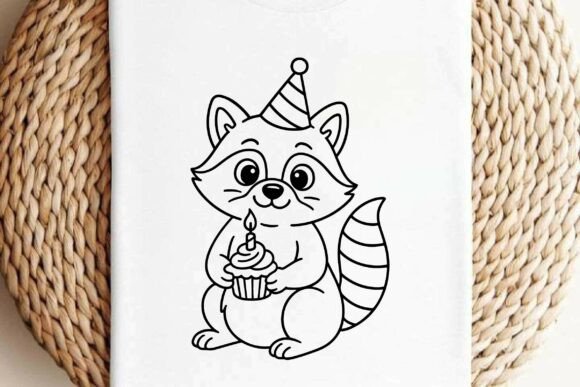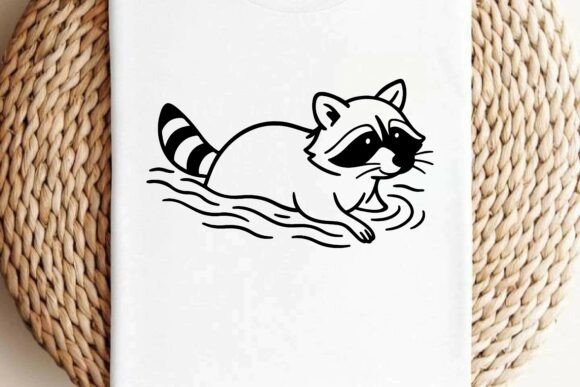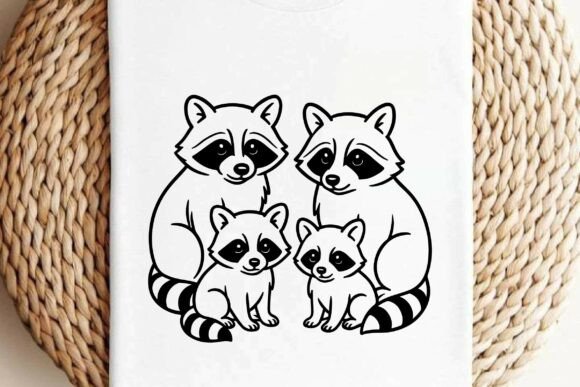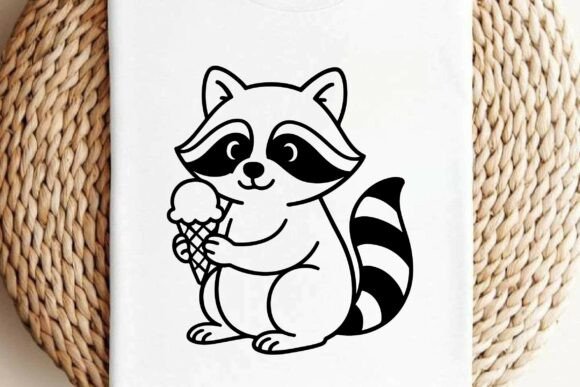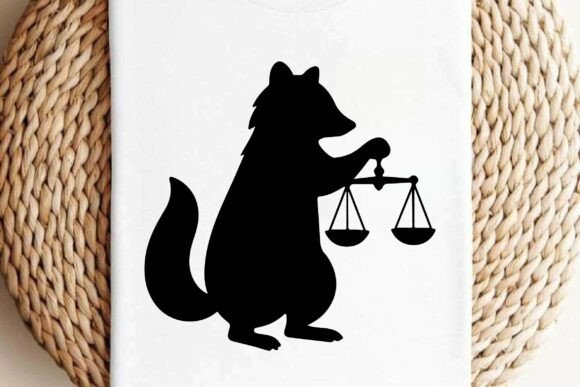
Raccoon Holding Scales Silhouette Embroidery Review
As a designer who spends more time troubleshooting stitch paths than sleeping, I approach every new embroidery file with a mix of curiosity and skepticism. The market is flooded with generic clip art, so finding a design that actually translates well to thread requires a critical eye. Today, I am evaluating the Raccoon Holding Scales Silhouette, a digital asset categorized under Illustrations and Graphics. This review isn’t just about whether it looks cute on a screen; it is about how it performs when pulled through fabric, stitched by a machine, and ultimately worn or gifted by a customer.
First Impressions: Mood and Visual Personality
The moment you open the ZIP folder containing this machine embroidery design, the first thing that strikes me is the silhouette’s strong graphic quality. Raccoons are inherently mischievous characters, and combining them with scales suggests themes of balance, justice, or perhaps a playful take on "weighing your options." The mood is whimsical yet structured. It feels like a design that belongs in a modern craft shop rather than a traditional nursery.
From a layout perspective, the central figure is bold. The raccoon holding the scales creates a natural focal point that works exceptionally well for chest placements on apparel or centered designs on tote bags. The visual personality is distinct—it avoids the overly sentimental or childish tropes often found in digital embroidery files. Instead, it offers a slightly edgy, boutique vibe that appeals to adults who appreciate handmade details without sacrificing their personal style.
Real-World Application: Where Does It Fit?
I have been testing this design concept across various potential handmade product categories to see where it shines. Here is my practical breakdown based on real project scenarios:
- Tote Bags and Market Totes: This is arguably the strongest use case. A raccoon holding scales on a canvas tote bag speaks to the eco-conscious, quirky shopper. The high contrast of a dark silhouette against natural canvas or black fabric makes the design pop. It serves as an excellent tote bag design for farmers markets or boutique branding.
- Sweatshirt Embroidery: For a cozy, oversized sweatshirt, this design adds a touch of intellectual humor. It fits perfectly with the current trend of "smart casual" streetwear. When stitched onto a heather grey or charcoal hoodie, it elevates the garment from basic to custom.
- Applique Design Opportunities: Because the source is a silhouette, this design begs for an applique design treatment. Using felt or denim for the raccoon body and contrasting satin stitches for the scales could create a stunning textured effect. This approach reduces the risk of puckering associated with dense fill stitches.
- Embroidered Patch: The clean lines make it ideal for a back patch on a denim jacket or a backpack. It has the visual weight required to stand out as a standalone embroidered patch.
- Baby Embroidery and Nursery Decor: While less common, a soft pastel version could work for a gender-neutral baby blanket or onesie. However, the theme of "scales" might be better suited for older children or adults who understand the metaphor.
Technical Performance and Stitch Clarity
When reviewing any graphics intended for embroidery, I always think about the transition from vector to stitch. The Raccoon Holding Scales Silhouette relies heavily on solid shapes, which generally means good stability. However, there are technical nuances to consider.
Stitch Density and Hoop Size: If the design utilizes dense fill stitches for the raccoon’s fur texture (even within a silhouette), it may require a sturdy cut-away stabilizer. For smaller hoop sizes, such as 4x4 inches, the details of the scales might become muddy if the resolution is too low. I recommend checking the specific stitch density provided in the file instructions. If the scales are represented by thin running stitches, they may not hold up well to frequent washing.
Thread Colors and Contrast: The success of this design hinges on thread choice. A monochromatic scheme using different shades of grey can create depth, but using a bright accent color for the scales draws the eye immediately. On dark fabrics, white or metallic threads will provide the necessary lift. On light fabrics, black or navy ensures the silhouette remains crisp.
Fabric Texture Considerations: This design performs best on smooth to medium-texture fabrics like cotton, linen, or polyester blends. Avoid highly textured materials like heavy bouclé wool or terry cloth unless you are using a significant amount of stabilizer, as the intricate details of the scales may get lost in the fabric pile.
Where to Use With Caution
Not every surface is suitable for this design. I would advise against placing this on:
- Stretchy Knits Without Stabilization: Unless you are using a water-soluble backing or heavy tear-away, the tension may distort the silhouette.
- Curved Surfaces Like Caps: While possible, the symmetry of the scales might look distorted if not hooped correctly on a curved cap frame.
- Small Accessories: Items like hair scrunchies or small coin purses may not have enough surface area to do justice to the composition. The design needs breathing room to be effective.
Impact on Product Value and Brand Consistency
For Etsy sellers and small business owners, the aesthetic of your product directly influences perceived value. A well-executed custom apparel piece featuring unique artwork commands a higher price point than one with generic text or logos. The Raccoon Holding Scales Silhouette offers a level of sophistication that suggests thoughtfulness.
It enhances brand consistency for shops that focus on nature, justice, or balanced living themes. It also boosts buyer engagement because it invites conversation. Customers love pieces that tell a story or spark a question. "Why is the raccoon holding scales?" is exactly the kind of interaction that leads to social media shares and word-of-mouth referrals.
Practical Designer Notes Before You Stitch
Before committing this design to your final finished product, follow these professional steps to ensure quality:
- Test on Scrap Fabric: Always run a test stitch on the same fabric type you plan to use. Check for puckering, thread breaks, or registration issues.
- Inspect Small Details: Zoom in on the scales. Are the lines too close together? Will they merge during stitching? If so, consider simplifying the design or increasing the hoop size.
- Check Licensing: Since this is a digital product, verify the license terms. Can you sell finished items? Is there a limit on the number of units? This is crucial for commercial embroidery projects.
- Use Proper Stabilizer: Match the stabilizer to the fabric weight. Heavy fabrics need heavy stabilizers; light fabrics need lightweight options to prevent bulkiness.
- Mockup Visualization: Create a printable mockup or digital preview to see how the design sits on your actual product. Sometimes scale perception changes when moving from screen to fabric.
Final Verdict
The Raccoon Holding Scales Silhouette is a versatile, visually striking addition to any craft business library. It bridges the gap between cute character art and sophisticated graphic design. Whether you are creating a personalized gift for a friend, stocking shelves with small shop products, or adding unique flair to commercial embroidery orders, this design delivers on both aesthetic appeal and technical feasibility.
Just remember: the magic happens in the preparation. Take your time with the setup, choose your threads wisely, and let the design speak for itself. It is a smart investment for anyone looking to elevate their embroidery project offerings beyond the ordinary.