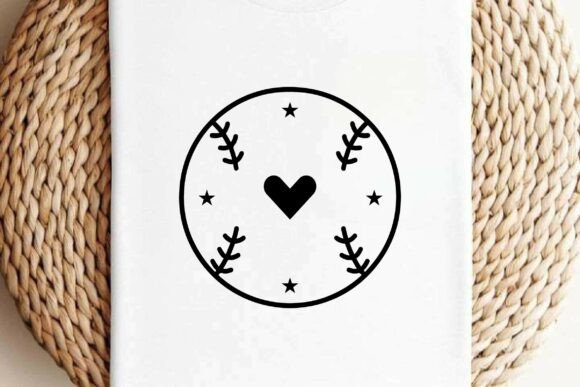
Softball Silhouette Vector Clipart Review
As a designer who spends half my day troubleshooting thread breaks and the other half brainstorming unique product concepts, I approach every new digital asset with a mix of excitement and skepticism. We have all been there: you find a perfect graphic on a marketplace, add it to your cart, and then realize halfway through digitizing that the shape just doesn’t translate well to thread. That is why I treat every embroidery project evaluation as a stress test before it ever touches a hoop.
I recently evaluated the Softball Silhouette Vector Clipart, categorized under Illustrations and Graphics, to see if it holds up in a real-world commercial setting. This is not just about how the image looks on a screen; it is about how it performs as a machine embroidery design for small business owners, Etsy sellers, and craft fair vendors looking to create high-quality finished products.
First Impressions and Visual Personality
When I first opened the file, the immediate takeaway was its clean, bold geometry. A silhouette by nature relies on negative space and strong outlines, which is both its greatest strength and its biggest challenge in embroidery. The Softball Silhouette Vector Clipart exudes a classic, athletic mood. It feels timeless rather than trendy, which is crucial for longevity in inventory.
The visual personality here is straightforward and confident. It does not try to be overly intricate or whimsical. Instead, it offers a solid foundation for branding or personalization. For a boutique owner, this kind of clear, recognizable iconography works exceptionally well because it communicates its theme instantly. Whether you are targeting sports moms, team managers, or casual athletes, the shape is universally understood. It creates an immediate emotional connection to the sport without needing extra text or complex background elements.
Real-World Application: From Screen to Stitch
To truly judge a design, we have to imagine it on actual merchandise. I ran several mental scenarios using this vector, focusing on common best-sellers in the handmade market.
Custom Apparel and Sweatshirts: Imagine a crewneck sweatshirt for a travel softball team. The silhouette lends itself perfectly to a chest-sized placement or a larger back print. Because it is a solid shape, it can be executed beautifully with a dense fill stitch or even as an appliqué base. The clean lines ensure that even after dozens of washes, the design retains its crispness. It adds a professional touch to what might otherwise be a generic team shirt.
Tote Bags and Aprons: One of my favorite uses for this type of graphic is on canvas tote bags or kitchen aprons. A softball silhouette embroidered near the pocket of an apron suggests a "home field advantage" vibe, perfect for a gift for a coach or a player. On a tote bag, it serves as a sturdy, reliable logo that looks good whether stitched in white thread on black fabric or navy on natural cotton.
Baby and Nursery Items: There is also a growing market for gender-neutral baby gifts. A small, subtle softball silhouette on a burp cloth or a onesie can be incredibly charming. It avoids the cliché of bright neon colors, opting instead for a sophisticated, minimalist aesthetic that appeals to modern parents who want something unique for their little athlete.
Patches and Caps: For cap embroidery, the silhouette’s compact nature is ideal. It fits neatly into standard 4x4 or 5x7 hoop areas without feeling cramped. As an embroidered patch, it offers a versatile badge that can be ironed or sewn onto denim jackets, backpacks, or beanies, adding a layer of texture and depth that prints simply cannot match.
Where Caution Is Required
While the design has strong potential, no vector translates perfectly without consideration. There are specific situations where the Softball Silhouette Vector Clipart requires careful handling to avoid a poor finished product.
- Small Hoop Sizes: If you attempt to digitize this for a very small area, such as a tiny chest logo under one inch, you may lose definition. The curve of the ball and any internal details (if added) could merge together, creating a muddy blob rather than a sharp image. Always verify the minimum viable size for your specific digitizer.
- Textured and Stretchy Fabrics: Embroidering on heavy waffle-knit fabrics or highly stretchy performance materials can distort a tight silhouette. The tension might pull the shape out of round, ruining the symmetry of the ball. Using a proper stabilizer is non-negotiable here to maintain structural integrity.
- Dense Stitch Areas: If you plan to use a heavy fill stitch for the entire silhouette, be mindful of fabric stiffness. A large, densely stitched area on a lightweight t-shirt can become uncomfortable to wear. In these cases, a satin stitch outline with minimal interior detailing often yields a more wearable result.
- Dark Fabric Contrast: While dark fabrics look sleek, they demand high-contrast thread choices. A low-contrast thread color against a dark background will make the silhouette disappear. Test your thread colors rigorously to ensure visibility.
Impact on Brand Value and Customer Trust
In the world of Etsy seller businesses and craft business operations, presentation is everything. Customers can often tell the difference between a rushed job and a carefully crafted item. A well-executed Softball Silhouette Vector Clipart elevates the perceived value of the item. It signals attention to detail and professionalism.
When a buyer receives a personalized gift or a custom apparel piece, they are buying into the story behind it. A clean, professional embroidery design reinforces that story. It builds trust because it shows that the maker cares about the quality of the execution. Conversely, a sloppy digitization can undermine even the best marketing copy. By starting with a strong vector source, you give yourself the best chance at producing a handmade product that stands out in a crowded marketplace.
Practical Designer Notes for Implementation
Before you commit this design to production, I recommend following these practical steps to ensure success:
- Test on Scrap Fabric: Never run a new design directly onto your final garment. Use scrap pieces of the same fabric type to check tension and stability.
- Review Stitch Density: Check the digitized file for appropriate density. Too much thread can cause puckering; too little can leave gaps in the fabric.
- Confirm Hoop Size: Ensure the design dimensions fit comfortably within your machine’s hoop limits while leaving enough margin for edge-to-edge stitching if needed.
- Inspect Small Details: Zoom in on the vector. Are there any thin lines that might break during stitching? Simplify if necessary.
- Check Licensing: This is critical for commercial embroidery projects. Confirm that you have the right to sell physical items made from this digital embroidery file. Some licenses restrict resale, while others allow unlimited commercial use.
- Use Proper Stabilizer: Match your stabilizer to the fabric weight. Cut-away stabilizers are generally safer for garments that will be washed frequently, while tear-away may suffice for single-use items like holiday tags.
Final Verdict
The Softball Silhouette Vector Clipart is a solid, versatile asset for any designer working in the sports niche. Its clean lines and strong shape make it adaptable across a wide range of design assets, from tote bag design concepts to sweatshirt embroidery projects. It is particularly effective for brands aiming for a modern, minimalist aesthetic.
However, success lies in the execution. By paying attention to stitch density, fabric choice, and licensing terms, you can transform this simple vector into a premium personalized gift or a best-selling small shop product. It is a reliable workhorse for your library, ready to help you create memorable embroidery project outcomes for your clients and customers.