Retro Summer Papaya SVG PNG Review
When I sit down to evaluate a new digital asset for my embroidery studio, I am rarely interested in just how "pretty" it looks on a screen. As a designer who produces goods for craft fairs and custom client orders, my primary concern is translation: how well does this vector graphic survive the transition from a flat pixel-based illustration into a textured, dimensional machine embroidery file? Today, I am putting Retro Summer Papaya SVG PNG through that rigorous mental and practical test. This piece falls squarely into the Illustrations and Graphics categories, promising a playful tropical vibe with bold typography. But does it have the structural integrity to hold up as a viable machine embroidery design, or is it merely a decorative clipart that will fray at the edges of reality?
First Impressions and Visual Personality
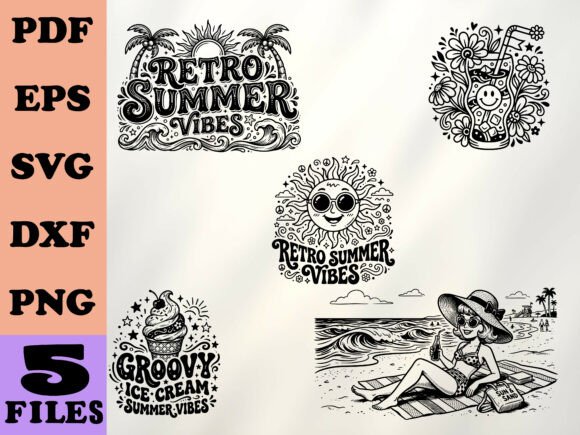
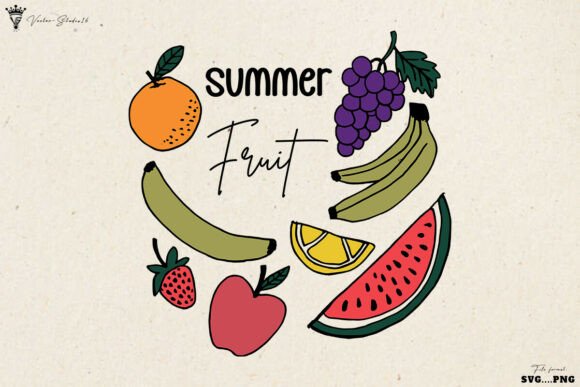
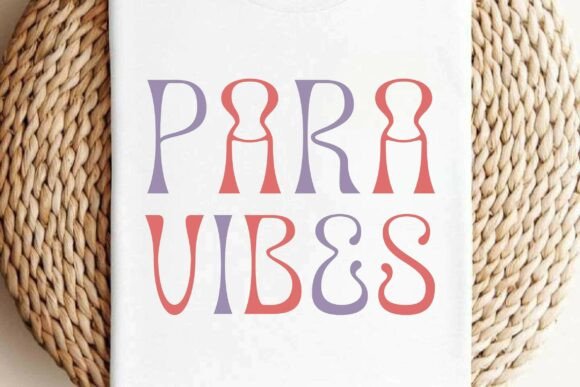
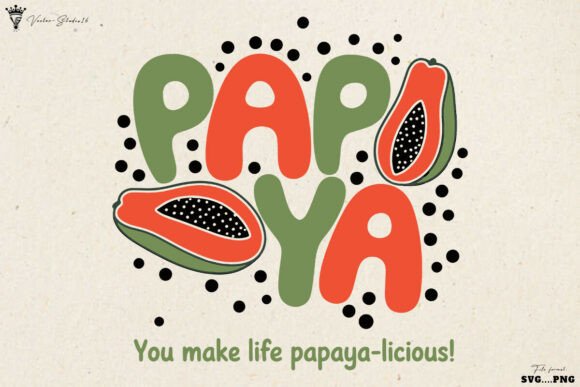
The immediate appeal of Retro Summer Papaya SVG PNG lies in its nostalgic energy. The aesthetic is undeniably summery, leveraging a color palette that suggests warm sunsets and vintage resort wear. For an embroiderer, the initial challenge with any retro-style graphic is balancing the "loudness" of the theme with the subtlety required for high-quality stitching. This design features bold typography alongside colorful tropical fruit artwork, which creates a dynamic visual hierarchy. It feels less like a delicate floral arrangement and more like a statement piece intended for casual wear.
From a layout perspective, the composition appears balanced enough to accommodate various hoop sizes without feeling cramped. The "fun summer aesthetic" mentioned in the product description translates well to the idea of relaxed, approachable handmade products. It screams vacation mode, which makes it an excellent candidate for seasonal collections. However, the bold nature of the typography means that if we are converting this into an embroidery file, the lettering must be legible. If the font choice relies too heavily on thin lines or intricate serifs, we risk losing definition during the digitizing process. Fortunately, the retro style often favors blockier, more robust fonts, which are far friendlier to stitch density constraints.
Real-World Application: The Custom Tote Bag Scenario
To truly understand the utility of this design, let us imagine a specific project scenario. I am preparing inventory for an upcoming summer craft fair, and I want to create a line of reusable market totes. These bags need to be eye-catching but also durable. I select Retro Summer Papaya SVG PNG as the central motif for these tote bag designs.
In this context, the design’s vibrant colors pop against natural canvas or bright white cotton. The tropical theme resonates with customers looking for beach-ready accessories. When I visualize the final product, I see the papaya artwork serving as the focal point, perhaps centered on the front panel. The typography adds a layer of brand identity, making the item feel like a curated boutique product rather than a generic gift. This kind of handmade product benefits greatly from designs that communicate a clear mood instantly. A customer walking by a booth sees the retro yellow and orange tones, associates them with happiness and summer, and is drawn in. That emotional connection is what drives sales for an Etsy seller or small shop owner.
Beyond totes, this design has strong potential for sweatshirt embroidery. Imagine a heather grey crewneck with the papaya graphic embroidered on the chest. The contrast between the soft fabric texture and the crisp, colorful threads would elevate the garment, turning a basic hoodie into a trendy, personalized gift. It fits perfectly into the current market trend of "cozy nostalgia," appealing to buyers who want apparel that feels both comfortable and visually interesting.
Where Caution Is Required
However, not every surface is suitable for every design. While Retro Summer Papaya SVG PNG works beautifully on structured fabrics like denim or thick canvas, it requires careful consideration when applied to more challenging materials. I would advise against using this design on highly textured fabrics, such as heavy waffle knits or bouclé wool, where the stitch definition might get lost in the weave. Similarly, stretchy fabrics like jersey knit require a stabilizer strategy that this particular graphic might not tolerate well if the digitization includes large areas of tight fill stitch without adequate backing.
Another area of caution is small hoop sizes. If you attempt to reduce this design significantly to fit a 4x4 inch hoop, you may encounter issues with tiny lettering and detailed corners. The fine lines of the retro typography could merge together, creating a muddy blob rather than sharp text. In such cases, the design loses its professional polish. It is better suited for medium to large hooping areas where the details can breathe. Additionally, if you plan to use this on dark fabric, you must ensure that the thread colors chosen provide sufficient contrast. A light pastel papaya on a black background might look washed out unless you use underlay stitches or lighter thread bases.
Technical Considerations for Embroidery Designers
For those of you planning to incorporate this graphic into your commercial workflow, there are several technical notes to keep in mind. First, always test the design on scrap fabric before committing to your final finished product. This allows you to assess how the thread colors interact with the base material and whether the stitch density feels appropriate. You want to avoid excessive bulk, especially on items like baby clothes or lightweight aprons.
Reviewing the design in black and white mockups is another critical step. This helps you determine if the value contrast is strong enough for the eye to distinguish the elements without relying on color alone. If the typography and the fruit artwork blend together in grayscale, you may need to adjust the spacing or choose distinct thread shades to separate them. Furthermore, inspect the small details closely. Does the design rely on running stitch for fine lines? Ensure that the digitized version uses satin stitches or reinforced running stitches to prevent fraying after multiple washes.
Stabilizer selection is paramount. For a design with bold graphics and likely dense fill areas, a cut-away stabilizer is often recommended for durability, especially for items that will undergo frequent washing, such as kitchen towels or apron embroidery. For temporary projects like party favors, a tear-away might suffice, but you must check for residue. Also, consider the end-use: if this is going onto a curved surface like a cap, the design may need to be adjusted for curvature to maintain proper tension and appearance.
Commercial Viability and Brand Consistency
From a business standpoint, Retro Summer Papaya SVG PNG offers versatility. It can serve as a standalone embroidered patch for jackets or bags, or as part of a larger collection. Its cheerful vibe makes it ideal for holiday embroidery around summer events, weddings, or beach-themed parties. It also works well for baby embroidery on muslin blankets or bibs, provided the size is scaled appropriately and the colors are soft enough for infant skin sensitivity.
As a digital product seller, offering this as a printable mockup or a digital embroidery file can attract buyers looking for quick, trendy solutions. The key to success here is presentation. Show the design on realistic garments to help customers visualize the final result. Highlight the craft business potential by demonstrating how it can be used across different product lines, from pillow covers to kitchen towels. This demonstrates value and encourages bulk purchases.
Finally, always confirm licensing terms before selling finished items. Even though this is a design asset, the rights to commercialize the output vary by provider. Ensure you have the necessary permissions to sell physical goods made with this design. By adhering to best practices—testing on scraps, checking contrast, selecting the right stabilizer, and respecting licenses—you can transform Retro Summer Papaya SVG PNG from a simple graphic into a profitable, professional-grade embroidery project.