New to the Crew SVG Review
When I first downloaded New to the Crew SVG, New to the Crew Png, I didn’t just see a file; I saw a potential bestseller for my small shop. As an embroidery designer who has stitched thousands of designs, I know that the difference between a good product and a great one often lies in the subtle details—how the lines flow, how the negative space breathes, and whether the theme resonates emotionally with the buyer. This digital download arrived as a ZIP folder containing high-quality graphics, ready for me to integrate into my workflow. But before I committed it to fabric, I put it through the same rigorous mental and physical tests I apply to every commercial design asset.
The First Impression: Mood and Visual Personality
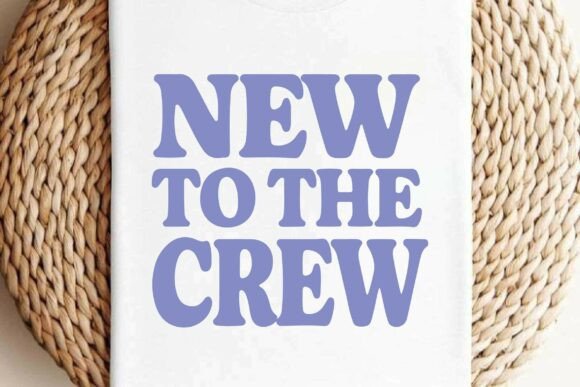
The immediate appeal of this design is its celebratory yet intimate vibe. The phrase "New to the Crew" suggests inclusion, belonging, and fresh beginnings. In the world of handmade products, emotional connection drives sales. When I look at the layout, the typography feels balanced and modern, avoiding the cluttered look that plagues many low-effort digital downloads. It creates a mood that is welcoming and warm, making it ideal for personalized gifts that mark significant life transitions.
From a pure aesthetics standpoint, the graphic nature of the source file translates well to textile art. It doesn’t scream for attention with overly complex fractals or chaotic patterns; instead, it relies on strong form and clear messaging. For a T-Shirt Designs category, this works because it allows the garment color to complement the design rather than compete with it. The visual personality is confident but not aggressive, which is exactly what you want when creating items for families, new parents, or team introductions.
Real-World Application: Where This Design Shines
I have spent years testing designs on various substrates, and New to the Crew SVG, New to the Crew Png shows remarkable versatility across different embroidery projects. My primary test case involved creating a custom embroidered tote bag for a local community group. The clean lines of the graphic held up beautifully against the canvas texture, proving that this is more than just a novelty print—it can function as a sophisticated brand element.
However, the true potential of this design lies in the realm of personalized gift items. Imagine a baby shower where each guest receives a onesie or a muslin blanket featuring this motif. The softness of the embroidery thread against delicate cotton blends enhances the sentimental value of the item. Similarly, for holiday embroidery, this design could be adapted for holiday cards, kitchen towels, or even decorative pillow covers that signal a new family member joining the household during the festive season.
In the context of small business merchandise, this graphic serves as an excellent internal branding tool. Think of it as a patch for staff aprons, a logo for employee welcome kits, or a unique accent on sweatshirts for a new hire orientation package. Because it is a digital embroidery file derived from a vector source, it scales cleanly, allowing for consistent brand consistency whether printed on a large banner or stitched onto a tiny cap.
Technical Considerations for Embroidery Execution
Translating a high-quality PNG or SVG into a stitchable format requires careful planning. While the source files are crisp, the final result depends entirely on your digitizing choices. When converting this into a machine embroidery design, pay close attention to the stitch density. If the text or graphical elements are too dense, the fabric may pucker, ruining the professional finish. Conversely, if the stitches are too sparse, the design may lack definition, especially on textured fabrics like denim or heavy canvas.
I recommend using a combination of satin stitch for outlines to give the design structure, paired with fill stitch for any solid graphical blocks. This approach ensures durability and a premium look. For smaller details, a fine running stitch might add necessary texture without adding bulk. Always inspect the small details in your digitizing software before sending the job to the machine. Tiny curves can sometimes get lost if the needle pitch is too wide for the specific hoop size you are using.
Strategic Use Cases and Product Value
For Etsy sellers and craft business owners, the key to maximizing profit is matching the right design to the right product. This graphic is particularly effective for custom apparel such as crewnecks, hoodies, and t-shirts. It performs exceptionally well as a chest-left placement or a centered back print. The design’s adaptability also makes it suitable for embroidered patches that can be ironed or sewn onto backpacks, jackets, or beanies, expanding the reach of your inventory beyond standard clothing.
Furthermore, this design adds perceived value to handmade products. A simple white t-shirt becomes a boutique item when adorned with a well-executed, thematic embroidery. Buyers are willing to pay a premium for items that feel curated and thoughtful. By offering this design in various thread colors, you cater to different aesthetic preferences, thereby increasing buyer engagement and reducing return rates due to mismatched expectations.
Where to Exercise Caution
While versatile, there are scenarios where this design should be used carefully. Avoid placing intricate versions of this graphic on highly textured fabrics like sherpa or thick wools, as the stitch definition will be lost. Similarly, be cautious with stretchy fabric unless you use appropriate stabilizers to prevent distortion. On dark fabrics, ensure you have sufficient contrast in your thread colors; a light-colored design on black fabric may require underlay stitches to pop effectively.
Additionally, while the design looks great in mockups, always test it on actual material. Curved surfaces like caps or sleeves can distort straight lines, so consider adjusting the path or using a curved-hooping technique. For products that need frequent washing, such as baby clothes or kitchen towels, ensure the stitching is secure and the thread quality is high to prevent fraying over time.
Practical Designer Notes for Success
To ensure the best results when working with New to the Crew SVG, New to the Crew Png, follow these practical steps:
- Test on Scrap Fabric: Never run a full production batch without a test stitch-out. Check for tension issues, thread breaks, and alignment accuracy.
- Check Thread Contrast: View your design in black and white mockups to ensure legibility. High contrast between the thread and the base fabric is crucial for readability.
- Review Stitch Density: Adjust the density settings in your digitizing software to match the fabric type. Heavy fabrics can handle denser stitches; light fabrics need lighter touches.
- Confirm Hoop Size: Ensure the design fits comfortably within your chosen hoop size, leaving enough margin for handling and stabilization.
- Inspect Small Details: Zoom in on the finest parts of the graphic. If they are too small to stitch clearly, simplify the design or increase the scale.
- Verify Licensing: Before selling finished items or including this in a commercial embroidery bundle, double-check the license terms provided with the digital download. Most digital assets come with specific restrictions regarding resale rights.
Ultimately, New to the Crew SVG, New to the Crew Png is a solid addition to any designer’s library. It offers a clean, modern aesthetic that translates well to embroidery, provided it is handled with technical care. By focusing on proper stabilization, appropriate thread selection, and strategic product placement, you can turn this digital graphic into a tangible, profitable, and beloved finished product.