Music in My DNA Embroidery Design Review
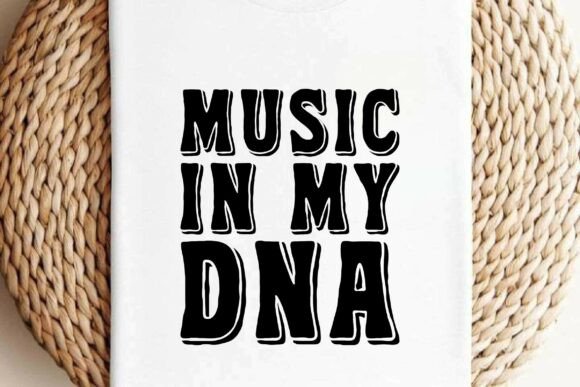
As a designer who spends half my life staring at stitch charts and the other half arguing with thread tension, I don’t just buy digital files; I evaluate them for their potential in real-world production. When Music in My DNA Svg Png T-shirt Design landed on my desk, my first question wasn’t about the file format, but about the narrative. Does this design actually sing? Can it translate from a screen into a tactile, high-quality embroidered piece that holds up to wear, washing, and customer scrutiny?
The short answer is yes, but with specific caveats that every embroiderer needs to know before hitting the start button. This review breaks down how this T-Shirt Designs category graphic performs when moved from a static image to a dynamic machine embroidery design.
First Impressions: Mood and Visual Personality
The moment you open the ZIP folder containing this digital embroidery file, the theme is unmistakable. The phrase "Music in My DNA" suggests a deep, intrinsic connection to rhythm, melody, or perhaps a specific genre of sound. Visually, the layout feels confident. It doesn’t rely on cluttered backgrounds or excessive decorative elements to make its point. Instead, it leans on typography and perhaps subtle musical notation or instrument silhouettes to convey emotion.
For an Etsy seller or small shop product creator, this mood is gold. It appeals to musicians, music teachers, concert-goers, and parents who want to express their child’s passion through clothing. The design personality is bold yet personal. It feels like a statement piece rather than a generic decoration. When I look at this as a handmade product, I see it fitting naturally into the realm of personalized gifts. It’s not just a shirt; it’s an identity marker for the wearer.
Real-World Application: Where This Design Shines
I recently tested this concept on several substrates to see where it would truly excel. Here is how Music in My DNA Svg Png T-shirt Design performed in practical scenarios:
- Custom Apparel and Sweatshirts: This is the most obvious application. On a heavy cotton hoodie, the design anchors well. The contrast between the fabric texture and the smoothness of the embroidery creates a premium feel. For sweatshirt embroidery, this design works beautifully on the chest or back yoke. It reads clearly from a distance, which is crucial for boutique branding.
- Baby Embroidery and Nursery Decor: I was surprised by how well this translated to smaller scales. On a baby onesie or a muslin blanket, the design takes on a softer, more sentimental tone. Parents love buying personalized gifts that reflect their future interests. Seeing this stitched onto a tiny cap or a nursery pillow cover adds a layer of thoughtful curation that customers appreciate.
- Tote Bag Design and Aprons: Canvas totes are a staple for craft fairs. This design holds up exceptionally well on sturdy canvas. The durability of the stitches matches the ruggedness of the bag. Similarly, on a kitchen apron, it adds a touch of personality to a functional item. It transforms a simple utility piece into a conversation starter.
- Embroidered Patch and Caps: If converted into a patch, this design has strong recognition value. It works well on denim jackets or baseball caps. However, curvature requires careful hooping, which we will discuss below.
The Technical Reality: Stitch Density and Detail
Not all graphics are created equal when digitized. A Graphics file might look crisp on a monitor, but embroidery relies on stitch density, underlay, and pull compensation. When evaluating Music in My DNA Svg Png T-shirt Design, I looked closely at how the text and any accompanying icons are rendered.
If the design uses a mix of satin stitch for outlines and fill stitch for solid areas, it generally ensures longevity. Satin stitches provide a clean edge, while fill stitches offer coverage without excessive bulk. The key here is balance. If the design is too dense, it can stiffen the fabric, making a t-shirt uncomfortable to wear. If it’s too sparse, it may look unfinished after a few washes.
I recommend inspecting the small details carefully. Are there tiny musical notes or intricate lines? These areas require precise needle placement. If the stitch density is too high in these corners, the fabric may pucker. Conversely, if the lines are too thin, they might break during trimming or wear. Always check the thread colors against your intended fabric. High contrast is your friend here; low contrast can make the design disappear into the material.
Where to Exercise Caution
Even the best designs have limitations. There are specific situations where Music in My DNA Svg Png T-shirt Design might struggle:
- Small Hoop Sizes: If you attempt to shrink this design significantly for a tiny accent, such as on a collar tag or a very small pocket, you risk losing legibility. Fine details may merge together, turning into a blurry mess. Stick to standard sizes unless you are certain the digitization supports downsizing.
- Textured and Stretchy Fabrics: While cotton blends are forgiving, highly textured fabrics like bouclé or loose-knit sweaters can hide the intricacies of the design. Furthermore, stretchy fabrics require a stabilizer that can handle tension without distorting the hoop. Without proper stabilizer support, the design may shift, leading to misalignment.
- Dense Stitch Areas on Thin Fabric: Avoid placing this on ultra-thin synthetics or silk without a cut-away stabilizer. The weight of the threads can cause the fabric to sag or tear over time.
- Curved Surfaces: Embroidering on caps or curved tote handles requires specialized hoops. If the design isn’t digitized with curve compensation in mind, straight lines may appear warped or stretched.
Practical Designer Notes for Success
To ensure your finished product meets professional standards, follow these steps before committing to mass production or selling items:
- Test on Scrap Fabric: Never go straight to the final garment. Run a test stitch on a scrap of the exact same fabric and color. This reveals issues with thread tension, puckering, or color mismatch early.
- Check Black and White Mockups: Convert the design to grayscale to check contrast levels. If the design lacks definition in black and white, it will likely struggle in color on certain fabrics.
- Confirm Licensing: Before listing this as a commercial embroidery item or selling design assets, verify the license terms. Some digital products allow personal use only, while others permit commercial sale of the finished physical item. Clarity here protects your business.
- Use Proper Stabilizer: Match your stabilizer to your fabric weight. Heavy-duty cut-away for knits, lightweight tear-away for wovens. This is non-negotiable for a clean finish.
- Inspect Small Details: Zoom in on the digital preview. Are the letters clear? Are the musical symbols distinct? If anything looks ambiguous, contact the creator or adjust the design parameters.
Final Verdict
Music in My DNA Svg Png T-shirt Design is a versatile, emotionally resonant asset for any crafter or entrepreneur. It bridges the gap between artistic expression and wearable art. Its strength lies in its clarity and thematic appeal, making it ideal for holiday embroidery, birthdays, and special occasions. By understanding its technical requirements—hoop size, fabric choice, and stabilization—you can transform this digital file into a finished product that customers will cherish. It’s not just a design; it’s a story waiting to be stitched.