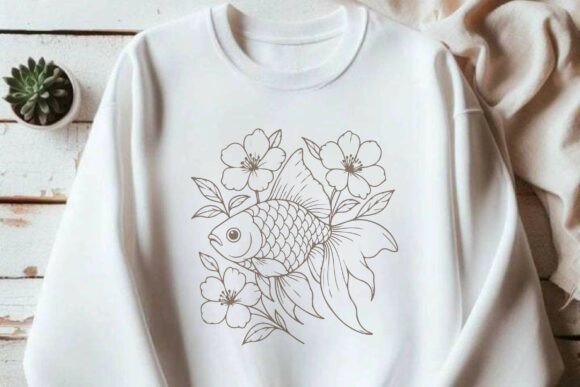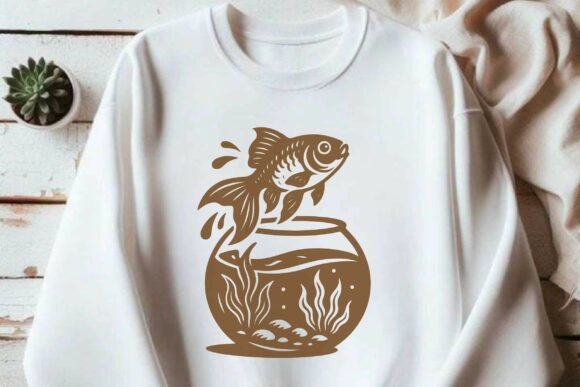
Goldfish Jumping from Glass Bowl Clipart
As a designer who spends more time looking at stitch density charts than actual fish tanks, I approach every new machine embroidery design with a healthy dose of skepticism. The market is flooded with generic clipart that looks terrible when converted to thread. However, the Goldfish Jumping from Glass Bowl Clipart caught my eye not just for its whimsical theme, but for its potential as a versatile Graphics asset in the world of handmade commerce. This review breaks down how this digital asset translates from screen to fabric, specifically for those of us running small shops, Etsy stores, or creative boutiques.
First Impressions: Mood and Visual Personality
The immediate appeal of this design lies in its dynamic energy. Unlike static goldfish illustrations that sit passively in a bowl, this piece captures motion. For an embroiderer, capturing movement is challenging; it requires careful planning of stitch density and direction to avoid a muddy, cluttered look. This embroidery project idea suggests a playful, lighthearted mood that works exceptionally well for personalized gifts and casual apparel.
Visually, the contrast between the organic shape of the fish and the geometric rigidity of the glass bowl creates a strong focal point. When evaluating this as a design assets package, the clarity of the lines is crucial. If the vector paths are clean, the resulting embroidery file will hold its shape even after multiple wash cycles. The theme naturally lends itself to nursery decor, bathroom accents, or summer-themed merchandise, making it a flexible choice for seasonal collections.
Real-World Application: From Screen to Stitch
Let’s talk about where this design actually shines in a business context. Imagine you are preparing inventory for a craft fair or updating your Etsy listings. A custom embroidered tote bag featuring this jumping goldfish immediately stands out on a crowded table. It is distinct enough to grab attention but broad enough to appeal to a wide audience, including parents, teachers, and aquarium enthusiasts.
I also see significant potential in custom apparel. Placing this design on a high-quality cotton sweatshirt or a linen t-shirt offers a comfortable, wearable piece of art. The humor inherent in a fish "jumping" adds a personality touch that customers love. It transforms a basic garment into a conversation starter. Furthermore, this concept fits seamlessly into the realm of baby embroidery. Small, soft onesies or muslin blankets with this gentle aquatic theme can serve as memorable shower gifts or first-birthday keepsakes.
For home goods, consider a kitchen towel or a tea towel. The vertical orientation often found in such designs works beautifully here, adding a splash of color to a neutral kitchen. It elevates a simple utility item into a decorative piece, increasing the perceived value of your handmade product. Whether you are creating holiday embroidery items or year-round stock, this design bridges the gap between functional and decorative effectively.
Technical Challenges and Where to Exercise Caution
While the concept is strong, execution is everything. There are specific scenarios where this machine embroidery design might struggle if not handled with care. First, consider the size. If you attempt to digitize or stitch this in a very small hoop size, the details of the water splashes and the fish scales may disappear. Fine details often get lost in smaller formats, resulting in a blobby appearance rather than a crisp image. Always verify the minimum recommended hoop size before committing to production.
Fabric selection is equally critical. Textured fabrics, such as heavy waffle-weave towels or thick fleece, can distort the delicate lines of the glass bowl. Thin or stretchy fabrics like jersey knits require a robust stabilizer strategy; otherwise, the tension of the satin stitch outlining the bowl could pucker the material. Dark fabrics present another hurdle. Goldfish are typically bright orange or white, and glass is transparent. On dark backgrounds, you may need to add extra underlay stitches or light-colored backing to ensure the "glass" effect is visible and doesn't just look like a dark void.
Avoid placing this design on highly curved surfaces like the front panel of a baseball cap unless you have extensive experience with 3D embroidery. The curvature can compress the design, making the fish look squashed. Additionally, be mindful of dense stitch areas. If the original graphic has too much intricate detail in the water ripples, converting it to thread might create excessive bulk, leading to needle breakage or poor machine performance.
Stitch Types and Material Considerations
To achieve the best result, pay close attention to the type of stitches used. A combination of fill stitch for the body of the fish and precise satin stitch for the outline of the bowl usually yields the cleanest finish. Running stitch can be effective for subtle water ripples if used sparingly. The choice of thread colors will make or break the illusion of glass; using lighter, perhaps slightly translucent-looking threads (or simply avoiding overly dark outlines) helps maintain the airy feel of the scene.
Business Value and Customer Perception
From a branding perspective, using high-quality, unique designs like this one signals professionalism. Customers can often tell the difference between a mass-produced, low-resolution print and a carefully executed embroidered piece. A well-stitched goldfish demonstrates attention to detail, which builds trust and encourages repeat purchases. It enhances the finished product quality, allowing you to justify premium pricing for your small shop product line.
This design is particularly effective for personalized gift markets. Adding a name or a short phrase nearby can turn this into a cherished item. The visual appeal supports brand consistency if you aim for a whimsical, nature-inspired aesthetic across your store. It also performs well in printable mockups for digital previews, helping buyers visualize the final outcome before purchasing, whether they are buying the physical item or the digital embroidery file for their own use.
Practical Designer Notes for Success
Before you start stitching, follow these essential steps to ensure success:
- Test on Scrap Fabric: Never run a full production batch without testing on the exact fabric you plan to sell. Check for puckering, thread tension issues, and color accuracy.
- Check Contrast: Review the design in black and white mockups to ensure the shapes remain distinct without the aid of color.
- Inspect Details: Zoom in on the digital file. Are the corners sharp? Is the text legible? If the source Illustrations are blurry, the embroidery will suffer.
- Confirm Licensing: Since this is a digital product, verify the license terms carefully. Ensure you are permitted to sell finished items made from this design, especially if you are an Etsy seller or running a craft business.
- Use Proper Stabilizer: Match your stabilizer to your fabric weight. Heavy tear-away or cut-away stabilizers may be necessary for durable commercial embroidery projects.
- Compare Backgrounds: Test the design on both light and dark fabrics to see how the transparency of the glass bowl translates in different lighting conditions.
In conclusion, the Goldfish Jumping from Glass Bowl Clipart is a charming, versatile asset that can elevate a variety of embroidery project ideas. By paying attention to technical details like stitch density, fabric choice, and licensing, you can transform this digital graphic into a profitable, high-quality handmade product that resonates with customers. It is a smart addition to any designer’s toolkit looking to add a touch of aquatic whimsy to their collection.